




A Guide to CCELL 3.0, EVOMAX, and Oil Compatibility
Key Takeaways
- Match your hardware to your oil viscosity—distillates, live resins, and rosins each require different inlet hole sizes and heating elements.
- Ceramic heating cores offer even heat distribution that preserves terpenes and prevents burnt flavors in premium cannabis oil.
- Postless cartridge designs allow for greater oil visibility and can accommodate a wider range of extract viscosities.
- Canna Brand Solutions offers CCELL vape hardware with custom branding options, from silkscreen printing to full UV customization.
- Scaling production requires hardware that maintains consistent performance across thousands of units without quality variation.
Choosing cannabis vape hardware in 2026 starts with one principle: the device must be validated with the exact oil formulation that will go to market.
Terms such as distillate, live resin, live rosin, and liquid diamonds are useful starting points, but they do not tell the whole story. Two oils in the same category can behave differently because of viscosity, terpene concentration, cannabinoid profile, additives, particulates, storage temperature, and filling conditions.
That makes hardware selection more than a design decision. It is a product-development decision that can affect flavor consistency, leakage, clogging, fill-line efficiency, customer complaints, and the ability to scale.
The commercial stakes are also growing. Grand View Research estimates that the global cannabis vaporizer market was worth $5.9 billion in 2024 and projects it to reach $13.1 billion by 2030. As the category expands, reliable performance and formulation-specific validation will become even more important differentiators.
What is the best way to choose cannabis vape hardware?
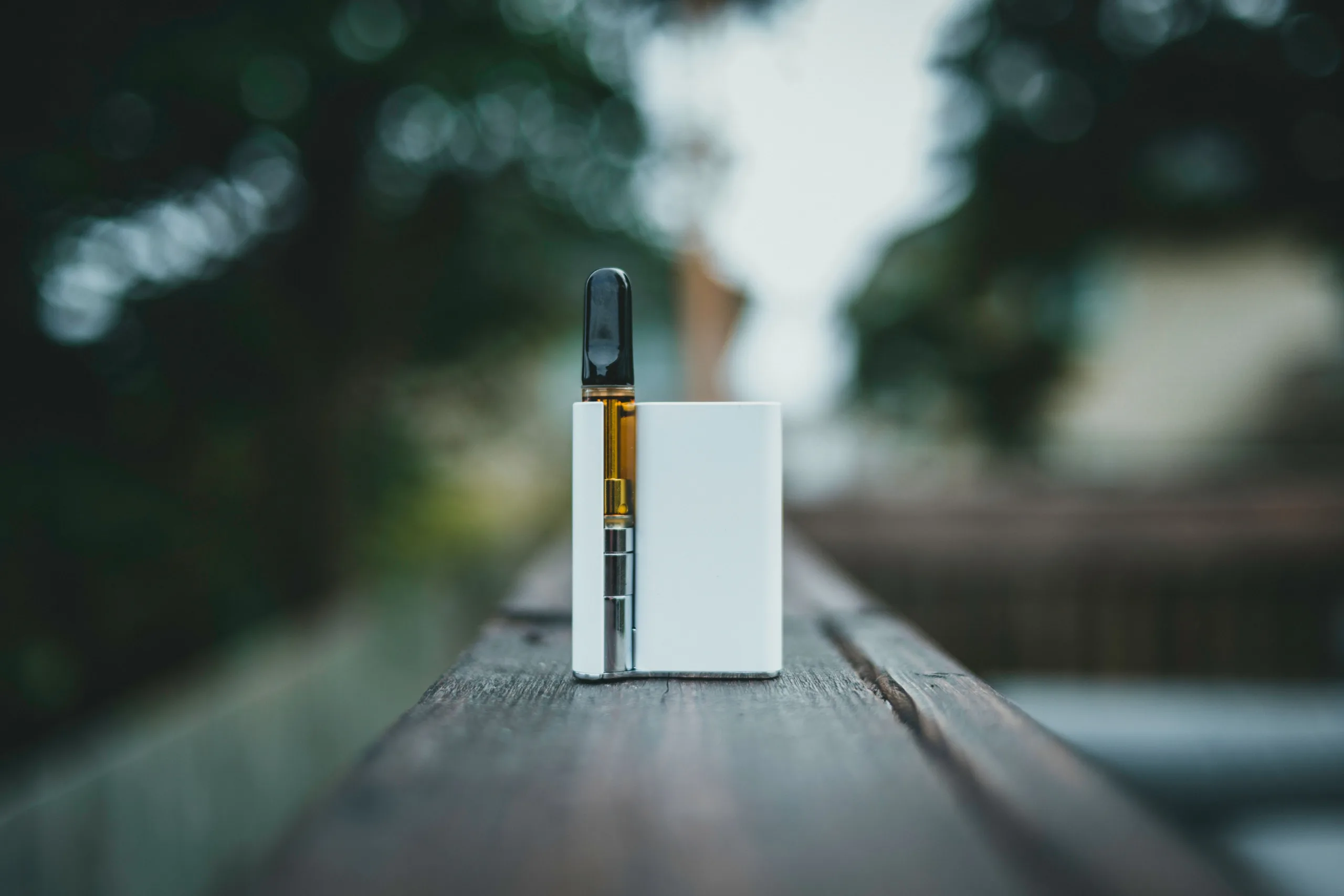
The best way to choose cannabis vape hardware is to match the complete oil formulation with the right heating platform and device architecture, then confirm the combination through filling, aging, transport, and performance testing.
Brands should evaluate six areas before placing a production order:
1. The oil’s measured behavior, not only its extract category
2. Heating-core compatibility and thermal consistency
3. Cartridge, all-in-one, or pod architecture
4. Material safety and regulatory documentation
5. Filling, capping, and production requirements
6. Customization, supply continuity, and quality at scale
This answer-first framework is more dependable than choosing hardware from a generic inlet-size or temperature chart.
Why does cannabis vape hardware selection matter?
The oil and the hardware function as one system. If either side is mismatched, performance problems can appear even when both components are individually high quality.
When oil enters a cartridge designed for a different viscosity, problems emerge quickly. Clogging, dry hits, and burnt flavors become common complaints. On the other end, hardware that runs too hot degrades terpenes before they reach the consumer, erasing the unique flavor profiles your extraction team worked to preserve.
Your hardware choice also affects production efficiency. Cartridges with poorly designed filling ports slow down manufacturing, while inconsistent quality across batches forces you to deal with returns and damaged reputation. Getting hardware selection right from the start saves time, money, and customer trust.
The consequences extend across the business:
- Product quality: flavor, consistency, and oil utilization
- Operations: filling speed, capping window, scrap rate, and throughput
- Compliance: material documentation, testing, labeling, and state-specific requirements
- Brand trust: returns, retailer feedback, and repeat purchase
- Economics: landed cost, labor requirements, warranty exposure, and inventory risk
For premium extracts, the hardware is not simply a container. It is part of the product experience the brand is selling.
What Types of Cannabis Extracts Require Different Hardware?

Distillates
Distillates are highly refined extracts with thick viscosity and no naturally preserved terpenes. Since much of the natural aroma is removed during distillation, brands often reintroduce botanical or cannabis-derived terpenes for flavor. Distillates work well with smaller inlet holes (1.0-1.2mm) because their lower viscosity flows smoothly without flooding the chamber.
Both quartz and ceramic cores handle distillates effectively. Quartz cores heat quickly for users who prefer fast vapor production, while ceramic cores distribute heat more evenly for better terpene preservation in flavor-enhanced formulations.
Live Resins
Live resin is produced from fresh-frozen cannabis, preserving the terpene profile of the living plant. These extracts contain higher terpene content and often have lower viscosity than distillates. However, live resins are heat-sensitive and prone to degradation, making hardware with stable, lower temperatures essential.
Larger inlet holes (around 1.8-2.0mm) prevent clogging and allow proper oil flow to the heating element. Ceramic cores are the preferred choice for live resin because their ability to heat evenly at lower temperatures preserves the delicate terpene profiles that make these extracts valuable.
Rosins and Full-Spectrum Oils
Rosin is a solventless extract created through heat and pressure, retaining the full spectrum of cannabinoids and terpenes. This extraction method produces thick, sticky oils that require hardware specifically designed for high-viscosity applications. Inlet holes of 2.0mm or larger ensure smooth oil flow without clogging.
Full-spectrum oils vary in viscosity depending on input material and extraction method. Those with higher terpene concentrations generally have lower viscosity and need hardware that prevents leaks while maintaining flavor integrity.
How Do Ceramic Heating Cores Protect Your Premium Oil?
The heating element in your vape cartridge directly impacts vaporization efficiency and the preservation of cannabinoids and terpenes. The cannabis industry has largely moved toward ceramic cores due to their superior performance with cannabis extracts.
Even Heat Distribution
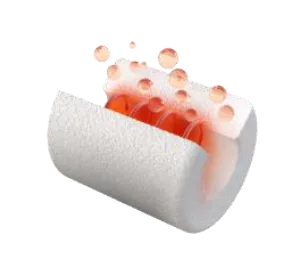
Ceramic heating elements distribute heat more evenly than traditional cotton wick systems. This even distribution prevents hot spots that can burn oil and degrade terpenes. For extracts like live resin and rosin where terpene preservation is critical, ceramic cores ensure customers taste the full flavor profile of your oil.
Longer Lifespan and Durability
Ceramic is durable and does not degrade over time like wick materials. This longevity means consistent performance throughout the cartridge’s life, from first draw to last. Customers experience the same smooth hit and flavor on day one as they do weeks later.
Compatibility with High-Viscosity Oils
The porous structure of ceramic cores can handle higher-viscosity oils like live resin or rosin without clogging. This makes ceramic the go-to choice for brands working with thick, terpene-rich extracts that would overwhelm other heating systems.
Canna Brand Solutions distributes CCELL cartridges featuring advanced ceramic heating technology. The Ceramic EVOMAX line includes upgraded cores specifically designed for live resin and oils with higher terpene percentages.
How Does Temperature Control Affect Cannabis Vape Performance?
Each extract type has an optimal vaporization temperature range that preserves cannabinoids and terpenes while producing smooth vapor. Understanding these ranges helps you select hardware that delivers the right experience for your specific oil.
Temperature Ranges by Extract Type
Distillates require higher temperatures (400–450°F) for effective vaporization due to their viscosity. Live resins perform at their finest at lower temperatures (300–380°F) to preserve terpene profiles and prevent degradation. Full-spectrum oils fall in an intermediate range (350–420°F), with higher terpene concentrations calling for lower settings.
Variable Voltage Batteries
Batteries with variable voltage settings allow consumers to customize their experience based on the oil type. Lower voltage settings (2.8–3.2 volts) preserve terpenes and flavor, while higher settings (3.5+ volts) produce larger clouds but risk burning oil. Pairing the right cartridge with a compatible battery ensures customers get the experience your extract deserves.
Preheat Functionality
Some batteries include preheat modes that gently warm oil before the user inhales. This feature prevents clogging and ensures smooth vaporization, especially for thicker oils like live resin and rosin. Preheat functions typically operate at lower voltages to protect terpene profiles during warming.
What Hardware Options Work for Different Production Scales?
Production scale influences which hardware types make sense for your operation. Understanding the tradeoffs between 510 cartridges, all-in-one disposables, and pod systems helps you choose hardware that supports your business model.
510 cartridges
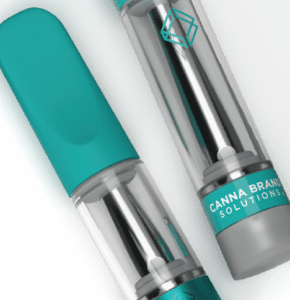
The 510-thread cartridge remains the industry standard due to widespread battery compatibility. These cartridges offer versatility and can be customized with different core materials, inlet sizes, and tanks. For brands that want customers to purchase batteries separately and refill over time, 510 cartridges are the cost-effective choice.
Brands must still validate the cartridge with a realistic range of compatible battery output, because the power source can materially affect performance.
All-in-one devices
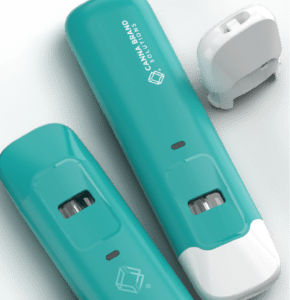
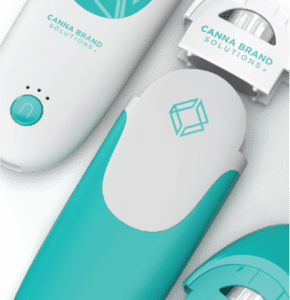
All-in-ones combine the tank, heating system, and battery in one unit. This gives the brand more control over the complete system and removes battery-to-cartridge compatibility questions. All-in-ones also offer a larger surface for color, printing, texture, display features, and structural differentiation.
The tradeoffs include a higher component count, battery-related compliance considerations, and end-of-life sustainability challenges. Rechargeability can help ensure that the battery lasts long enough for the filled product, but it does not make a single-use device fully circular.
Pod systems
Pod systems offer compact, sleek designs that appeal to discrete consumers. While less common in cannabis than in nicotine vaping, pods are gaining traction with brands that want to differentiate through premium, design-forward hardware. Their smaller form factor makes them portable while precision heating systems preserve extract quality.
Are postless cartridges better than center-post cartridges?
Postless cartridges are not automatically better for every formulation, but they offer meaningful design and performance advantages for the right project.
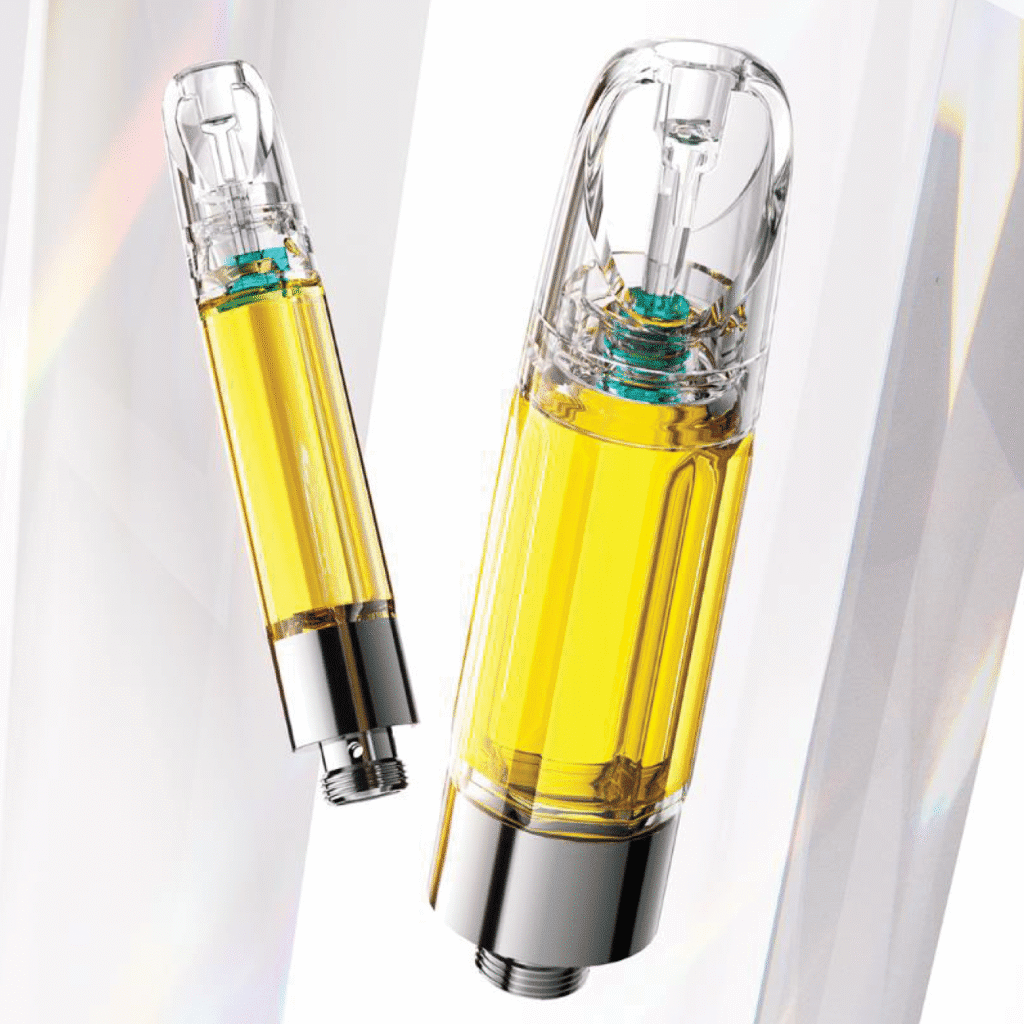
Postless cartridges create a larger oil reservoir and allow for greater oil visibility, letting consumers see exactly how much product remains. Without the center post obstructing flow, these cartridges can accommodate a wider range of extract viscosities and often deliver smoother hits with less clogging.
The Vita Postless Carts available through Canna Brand Solutions offer customization options including colors, silkscreen, and UV printing. This design combines the performance benefits of postless technology with branding opportunities that help your product stand out on dispensary shelves.
Potential advantages include:
- A cleaner, more modern tank appearance
- Greater oil visibility
- More room for distinctive industrial design
- A reservoir geometry that differs from traditional center-post systems
- Compatibility with newer heating structures such as CCELL 3.0
Center post designs remain the most common option on the market. Aperture size on the center post determines how easily oil flows to the heating element—larger holes work for high-viscosity oils, while smaller holes prevent flooding with thinner extracts. These cartridges offer proven reliability and work well across a range of oil types.
What is CCELL 3.0 technology?
CCELL 3.0 is a postless, cotton-free bio-heating platform engineered around lower-temperature, more evenly distributed heating and controlled oil delivery.
CCELL describes the platform through four core design ideas:
VeinMesh heating design
The VeinMesh structure is intended to distribute heat more evenly and operate at a lower peak temperature than conventional heating elements. For oil brands, the practical objective is to reduce localized heat spikes and support a more flavor-forward experience.
3D Stomata oil-delivery structure
Inspired by the microscopic openings on plant surfaces, the 3D Stomata design uses a high number of consistently sized pores. CCELL positions this structure as a way to balance oil delivery, improve consistency, and reduce common leakage and clogging problems.
Cotton-free core
Removing cotton from the heating structure is designed to avoid flavor interference associated with wick degradation and support more consistent performance over the device’s life.
Postless architecture
By removing the conventional center post, CCELL 3.0 hardware can provide a clearer view of the oil and a more open reservoir design. Postless construction can also create a distinctive shelf appearance, especially when paired with transparent tanks and custom exterior finishes.
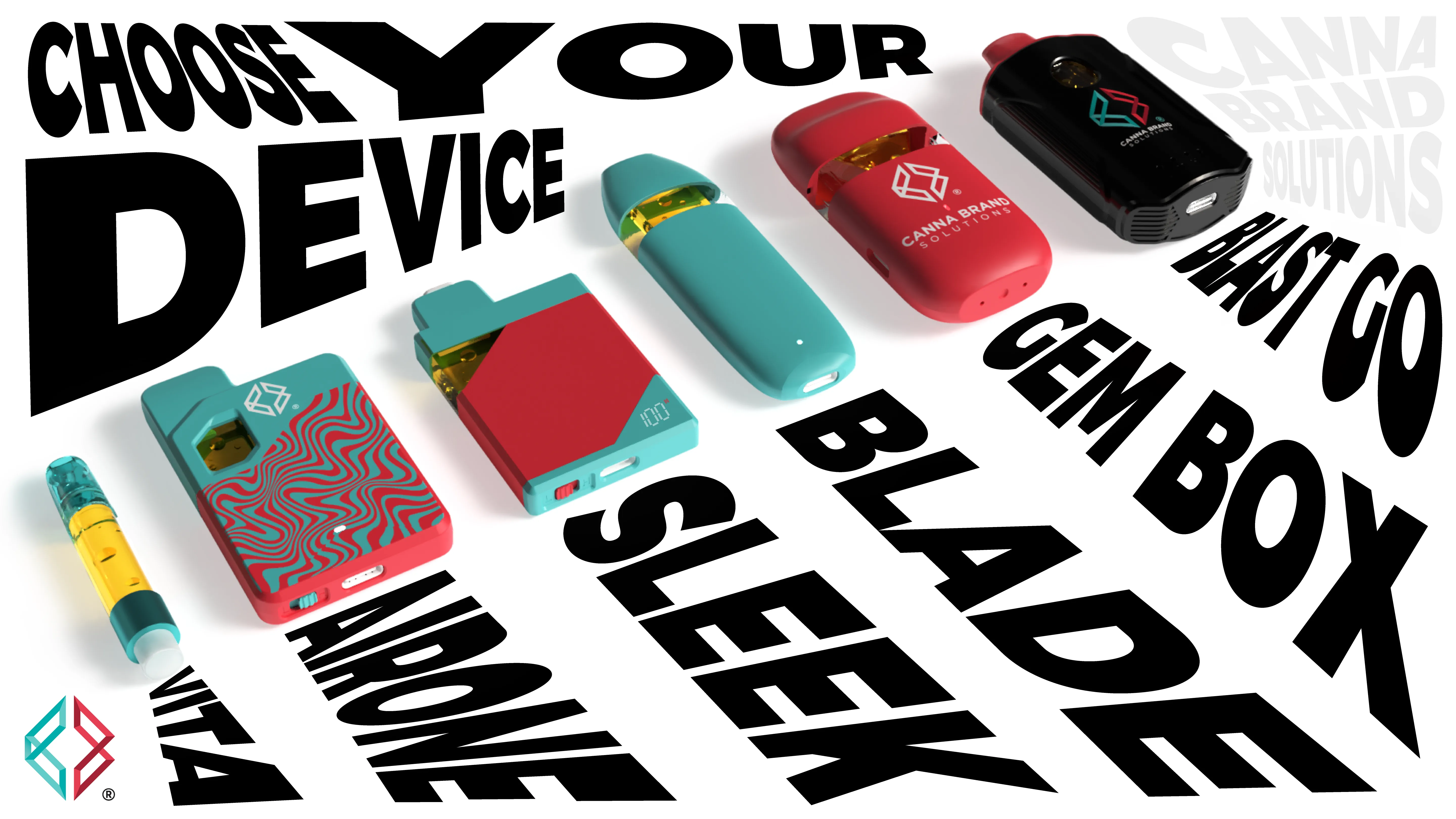
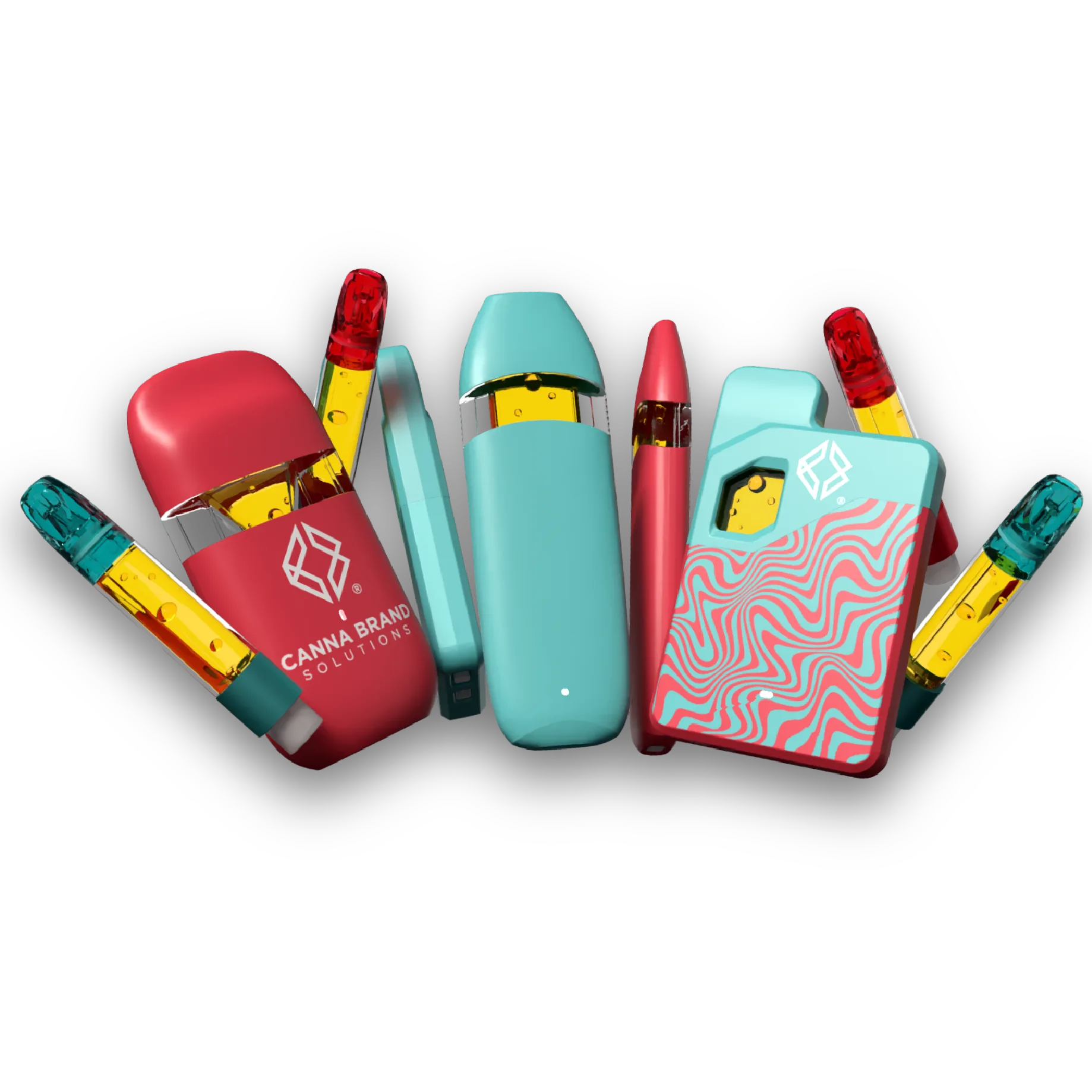
CCELL 3.0 is currently available through hardware formats listed by Canna Brand Solutions, including the CCELL Vita 510 cartridge and selected all-in-one devices such as Sleek, Airone, Blade, GemBox, GemBar, and MixJoy Availability and specifications should be confirmed for each project.
Is CCELL 3.0 the same as CCELL EVOMAX?
No. CCELL 3.0 Bio-Heating and EVOMAX are different heating platforms, although both are designed to solve oil-compatibility and consistency challenges.
| Platform | Best starting point for evaluation | Key positioning | Typical formats |
| CCELL 3.0 | Premium live resin, live rosin, high-terpene oils, and brands seeking postless design | Ultra-low-temperature, cotton-free, postless architecture with VeinMesh and 3D Stomata designs | Postless 510 cartridges and all-in-ones |
| CCELL EVOMAX | Brands seeking a versatile platform across distillate, live resin, liquid diamonds, and many solventless formulations | Optimized ceramic structure, balanced oil supply, anti-clogging and anti-leakage positioning, improved heat distribution | 510 cartridges and all-in-ones |
| CCELL HeRo | Rosin-focused programs and particularly demanding solventless formulations | Rosin-first ceramic platform designed around thick-oil delivery | Specialized rosin hardware |
| CCELL SE or Classic | Distillate-led programs with straightforward performance and value requirements | Established ceramic technology for conventional formulations | 510 cartridges and selected all-in-ones |
These are selection starting points, not substitutes for compatibility testing. The final choice should be based on the actual formulation, device settings, tank volume, filling process, and target shelf life.
What Safety Considerations Matter When Selecting Vape Hardware?
Hardware safety affects both consumer health and regulatory compliance. Selecting hardware from reputable manufacturers with documented safety testing protects your brand from costly recalls and reputation damage.
Heavy Metal Testing
Metals in vape hardware can leach into oil over time, affecting product safety and compliance. Regulatory bodies have set strict guidelines for acceptable heavy metal levels in cannabis products. Request third-party heavy metal testing certifications from manufacturers and ensure testing covers the final assembled hardware, not just raw materials.
Stainless steel components resist corrosion and do not leach harmful toxins into oil. Glass tanks are chemically inert and will not interact with terpenes, preserving oil purity and flavor throughout shelf life.
Thermal Degradation Prevention
Excessive heat during vaporization can create harmful byproducts and destroy the terpene profiles that make your extract unique. Research has shown that compounds like benzene and formaldehyde may form when cannabis extracts are exposed to temperatures beyond their optimal range.
Hardware with appropriate power settings and ceramic heating elements reduces the risk of thermal degradation. Variable voltage batteries give consumers control over their experience while protecting the integrity of your oil.
Material Compatibility
Terpenes can degrade certain plastics over time, releasing compounds into oil. Glass tanks are the preferred choice for premium products, while any plastic components should be tested for terpene interactions. Long-term stability testing over days, weeks, and months ensures hardware performs correctly without compromising oil quality.
CCELL states that its products are manufactured under quality systems that include cGMP and ISO certifications. Canna Brand Solutions can help customers confirm which product-level documentation is available for a specific device and market.
How should cannabis vape hardware be tested before launch?
The strongest validation programs use filled production-intent samples. A practical qualification plan should cover:
1. Initial compatibility screening
Compare candidate heating platforms and device formats using the same oil batch. Document fill weight, saturation behavior, airflow, output consistency, visible leakage, and any signs of clogging or dry operation.
2. Filling and capping trials
Confirm that the filling equipment, needle configuration, fill temperature, headspace, capping method, and fill-to-cap timing work with the selected hardware. A device that performs well after hand filling may behave differently on a production line.
3. Stability and aging
Evaluate the filled device over the intended shelf-life window and across relevant storage orientations and temperature conditions. Look for changes in oil color, aroma, seal integrity, airway behavior, and device output.
4. Transport simulation
Test for the conditions the product may experience during shipping and distribution, including vibration, pressure changes, heat exposure, and cold conditions.
5. Batch-level quality control
Define incoming inspection criteria, acceptable quality limits, traceability requirements, and retain-sample procedures before scaling. Quality should be measured consistently rather than judged only when a complaint occurs.
How can cannabis brands scale vape production without sacrificing quality?
Scaling from small-batch production to larger runs introduces new challenges. Hardware that performs well for 100 units may create bottlenecks or quality inconsistencies at 10,000 units.
Production Equipment Considerations
Manual filling works for small batches but becomes labor-intensive and prone to inconsistencies at scale. Semi-automatic filling equipment offers a balance between speed and control for mid-sized operations. Fully automated systems deliver precision and consistency for high-volume production but require significant capital investment.
Capping methods also impact scalability. Press-on caps work for high-volume production when applied correctly, while screw-on caps provide reliable seals but slow down production lines. Some modern cartridges feature membranes allowing filling without cap removal, reducing oxygen exposure and streamlining production.
Supply Chain Reliability
Consistent hardware supply becomes critical at scale. Disruptions from a single supplier can halt production lines and leave retail partners without product. According to industry experts interviewed by MJBizDaily, building redundancy into your supply chain with multiple qualified suppliers protects against unexpected delays.
Canna Brand Solutions maintains established domestic and international manufacturing partners to ensure quality and timely production. Sample and approval processes verify customer satisfaction before full production runs begin, reducing the risk of receiving hardware that does not meet specifications.
Inventory Turnover and Product Freshness
Cannabis vape products are perishable. Extended storage can lead to oil degradation, terpene loss, and color changes that affect consumer perception. High inventory turnover means moving products quickly, which requires predictable supply and efficient production processes. Hardware that fills quickly and caps securely supports faster turnaround times from production to retail shelves.
Brands should ask prospective suppliers:
- Can the same approved specification be maintained across repeat orders?
- What lot-level documentation and traceability are available?
- Are samples taken from production-representative inventory?
- Which filling and capping systems are compatible?
- What are the order minimums, production lead times, and customization timelines?
- How are specification changes communicated?
- What support is available if the oil formulation changes?
Production planning should also consider capping throughput, fixture availability, operator training, incoming inspection, and backup inventory. Hardware cost per unit matters, but so do labor, scrap, delays, and return exposure.
What Should You Look for in Custom Branding Options?
Hardware selection extends beyond performance to include branding opportunities that help your product stand out. Custom packaging and hardware customization create memorable unboxing experiences that build brand recognition and customer loyalty.
Cartridge Customization
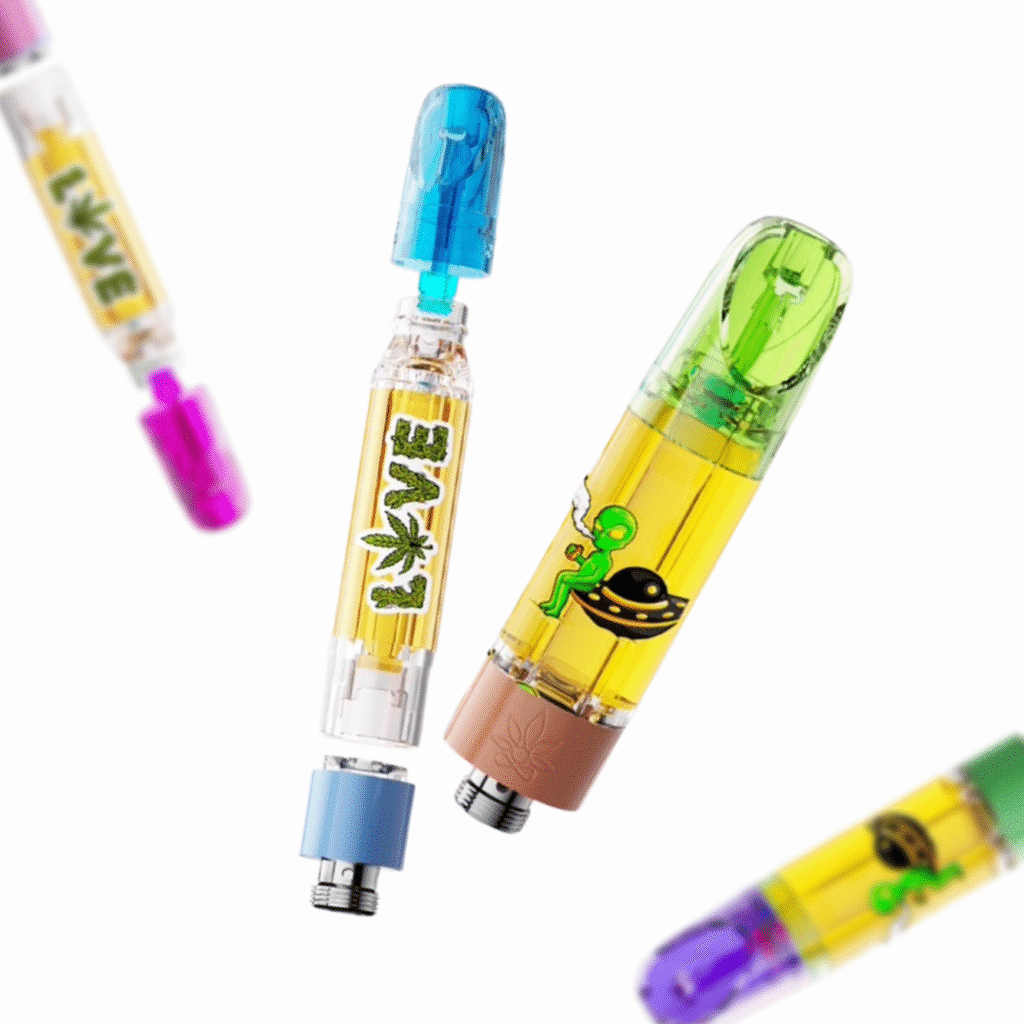
Modern vape hardware manufacturers offer multiple customization options. Silkscreen printing allows for logo placement directly on cartridges, while UV printing enables full-color designs and detailed graphics. Color customization of hardware components, from mouthpieces to tanks, helps create a cohesive brand aesthetic.
Canna Brand Solutions offers complimentary design services including artwork review and 3D renderings for packaging. This collaborative approach helps eliminate surprises in the design process by allowing brands to visualize their custom hardware before production begins.

Packaging Requirements
Cannabis packaging must meet child-resistant requirements that vary by state. Working with a supplier who understands regulatory compliance ensures your branded packaging meets legal standards while still showcasing your product effectively. Custom color and design printing with matte soft-touch finish options creates a premium feel that justifies higher price points.
Brand Visibility Through Hardware Design
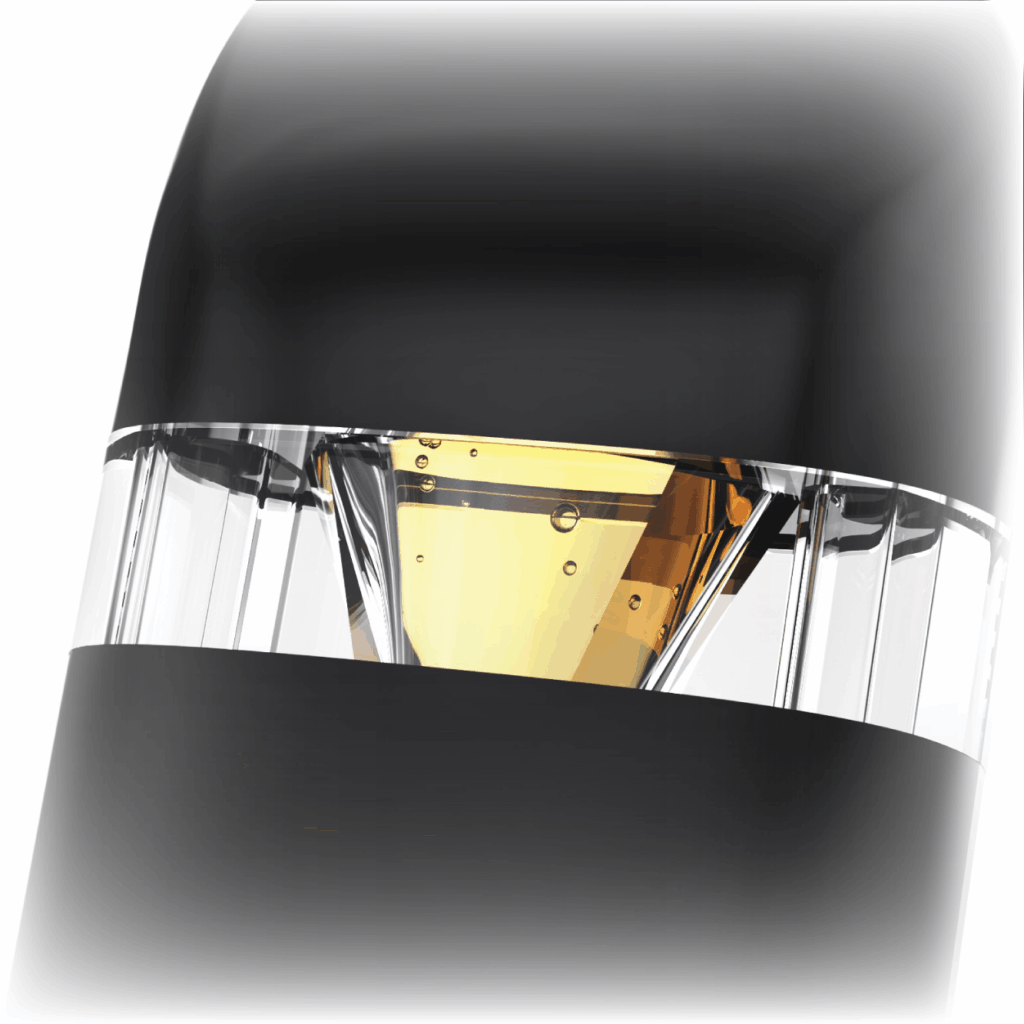
Glass tanks offer oil visibility that showcases product quality and purity to consumers. Clear tanks let customers see the color and clarity of your oil, which can be a significant selling point for premium extracts. Pairing visible oil with custom branded mouthpieces and packaging creates a complete brand experience from purchase through consumption.
A practical cannabis vape hardware selection checklist
Before approving a device for production, confirm that your team has answered the following questions:
- What are the formulation’s measured viscosity and flow characteristics across relevant temperatures?
- What is the terpene concentration and how stable is the formulation?
- Does the oil contain waxes, particulates, or other components that may affect feeding?
- Which heating platform has been tested with the final formulation?
- Is a 510 cartridge, all-in-one, pod, postless, or center-post format most appropriate?
- Has the filled device passed aging, orientation, transport, and temperature testing?
- Are the device settings fixed and validated as part of the system?
- Are all oil-contact materials and compliance documents approved?
- Can the device be filled and capped reliably at the target production rate?
- Can the supplier maintain the approved specification across future lots?
- Are the branding and packaging options compatible with regulatory requirements?
Frequently asked questions about choosing cannabis vape hardware
Matching hardware to your oil viscosity is the most critical factor. Distillates, live resins, and rosins have different flow characteristics that require specific inlet hole sizes and heating elements. Canna Brand Solutions helps you identify the right hardware configuration for your specific extract formulation.
Ceramic heating elements distribute heat evenly, preventing hot spots that burn oil and degrade terpenes. This even heating preserves flavor profiles and ensures consistent vapor production throughout the cartridge’s life. Canna Brand Solutions distributes CCELL cartridges with advanced ceramic technology designed for premium cannabis oils.
Postless cartridges eliminate the center post to create a larger oil reservoir with greater visibility. This design accommodates a wider range of extract viscosities and often delivers smoother hits with less clogging. The Vita Postless Carts from Canna Brand Solutions include customization options like silkscreen and UV printing for brand differentiation.
Distillates require 400–450°F for effective vaporization, while live resins perform optimally at 300–380°F to preserve terpenes. Full-spectrum oils fall in between at 350–420°F. Variable voltage batteries let consumers adjust settings based on their oil type and flavor preferences.
Start with semi-automatic filling equipment that balances speed and control. Build supply chain redundancy with multiple qualified hardware suppliers to prevent production disruptions. Canna Brand Solutions offers sample and approval processes that verify hardware quality before committing to large production runs.
Request third-party heavy metal testing on assembled hardware, not just raw materials. Ensure materials that contact oil are tested for long-term stability and terpene interactions. Reputable suppliers like Canna Brand Solutions work with established manufacturing partners who maintain documented quality standards.
Hardware that supports customization allows you to create memorable brand experiences. Options include silkscreen printing, UV printing for full-color designs, and custom color components. Canna Brand Solutions offers complimentary design services and 3D renderings to help visualize branded hardware before production.
Yes. Canna Brand Solutions supplies CCELL hardware and supports custom colors, silkscreen and UV printing, packaging, artwork review, mockups, and 3D product renders. Available options depend on the selected device, order volume, and project requirements.

Choose the platform, then prove the system
The best cannabis vape hardware is not the device with the longest feature list. It is the device that protects the intended product experience, performs consistently with the formulation, fits the production process, meets compliance requirements, and can be supplied reliably at scale.
CCELL 3.0 expands the options available to brands seeking a postless, cotton-free, flavor-forward platform. EVOMAX provides a versatile all-oil-capable foundation, while HeRo and SE or Classic give brands more specialized starting points for rosin and distillate programs.
Canna Brand Solutions can help your team compare CCELL heating platforms, select production-intent samples, evaluate customization options, and develop packaging around the approved hardware.
Explore CCELL technology Compare CCELL 510 cartridges, or Review CCELL all-in-one devices.
This article is intended for licensed cannabis businesses operating in legal jurisdictions. Products are not for sale to minors. Product specifications, compatibility, and regulatory requirements should be independently confirmed before production.*
—
Editorial Sources
- CCELL: New Year, New Tech—CCELL 3.0: https://www.ccell.com/blogs/new-year-new-tech-ccell-3-0
- CCELL: All-New Technology and EVOMAX: https://www.ccell.com/technology
- CCELL: TH2-EVOMAX cartridge: https://www.ccell.com/cartridge/th2-evomax
- Canna Brand Solutions: CCELL Technology: https://cannabrand-solutions.com/ccell/
- Canna Brand Solutions: CCELL 510 Cartridges: https://cannabrand-solutions.com/ccell/510-cartridges/
- Grand View Research: Cannabis Vaporizer Market: https://www.grandviewresearch.com/industry-analysis/cannabis-vaporizer-market-report